 admin
admin 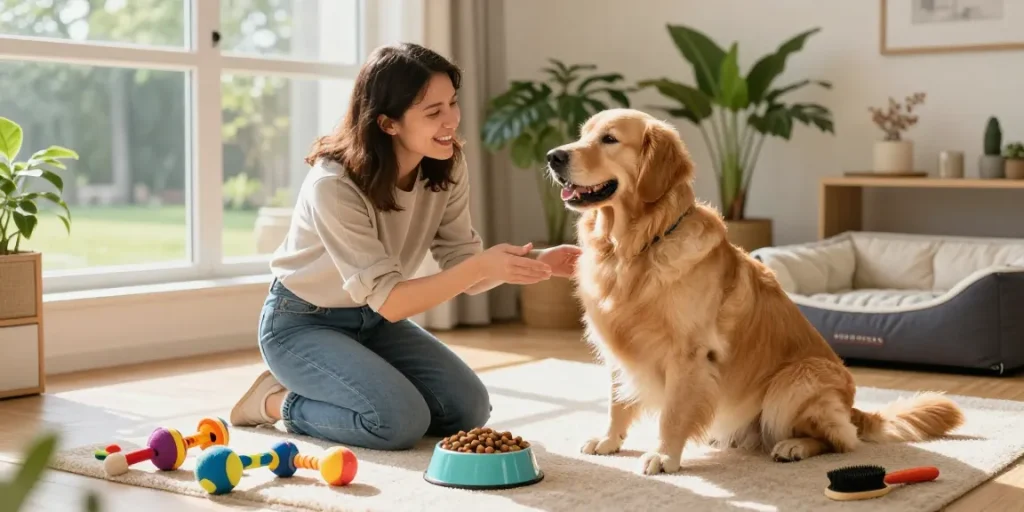
Understanding Your Pet’s Dietary Needs
As a pet owner, one of the most significant responsibilities you have is ensuring your furry friends receive the proper nutrition they need to thrive. An adequate and balanced diet not only contributes to your pet’s physical health but also boosts their mood and overall well-being. In this section, we’ll dive into the importance of pet nutrition, how to select the right foods for different types of pets, and debunk some common dietary myths. If you’re looking for credible resources on pet care, the rokok88 slot login platform offers a wealth of information tailored to pet owners.
Why Nutrition Matters for Pets
Just like humans, pets require a balanced diet to maintain their health. Nutrition affects everything from energy levels to skin and coat condition, and ultimately, their longevity. Pet obesity is a growing concern and can lead to various health issues such as diabetes, heart disease, and joint problems. Providing the right proportions of carbohydrates, proteins, fats, vitamins, and minerals is crucial not only for their physical health but also for their mental well-being.
How to Select the Right Food
When choosing pet food, consider factors such as your pet’s age, breed, size, and activity level. Each pet is unique, and their nutritional needs can vary significantly. Look for foods that list high-quality protein sources as the first ingredient, and make sure they are free from unnecessary fillers and artificial preservatives. It’s also essential to consult your veterinarian for personalized dietary recommendations.
Common Dietary Myths Explored
Many pet owners fall victim to common myths surrounding pet nutrition. For example, some believe that all human food is harmful to pets. While it’s true that many human foods are unsafe, some, like certain fruits and vegetables, can be beneficial. It’s essential to educate yourself and consult with your vet to ensure your pet’s diet is safe and nutritious.
Creating a Welcoming Home Environment
To keep your pet happy and healthy, creating a welcoming and safe home environment is fundamental. This not only involves providing the right supplies but also designing spaces where your pet feels comfortable and secure. We will discuss essential supplies, how to design your pet’s living space, and the importance of maintaining hygiene and safety.
Essential Supplies for Your Pet
Essential supplies include food and water bowls, beds, toys, leashes, and grooming tools. Invest in high-quality items that suit your pet’s size and species. For instance, a sturdy crate is essential for training dogs, while a cozy cat bed offers a safe haven for felines. Remember that these supplies contribute significantly to your pet’s comfort and happiness.
Designing a Comfortable Living Space
Your home should be a haven for your pet. Designate a quiet area where they can retreat when feeling stressed or tired. Use pet-friendly materials and ensure spaces are safe for curious paws. Consider adding cat trees or dog ramps to facilitate easy movement and exploration. Incorporating soft bedding and familiar items can also help your pet feel secure in their environment.
Maintaining Hygiene and Safety
Regular cleaning of your pet’s area is crucial for their health. This includes washing their bedding, cleaning litter boxes, and ensuring food and water bowls are regularly sanitized. Implement safety measures by removing hazardous items such as toxic plants or small objects that could be swallowed. A clean and secure environment will reduce the risk of illness and create a happier space for your pet.
Engaging Activities for a Happy Pet
Keeping your pet engaged with stimulating activities is essential for their mental and physical health. Routine exercise and playtime can significantly improve your pet’s happiness and overall quality of life. In this section, we will explore fun exercises and games, effective training techniques to bond with your pet, and ways to keep them mentally stimulated.
Fun Exercises and Games
Regular physical exercise is vital for your pet’s fitness. Activities like walks, fetch, or interactive play with toys not only burn off energy but also strengthen the bond between you and your pet. Rotate toys regularly to maintain interest and introduce new activities like agility courses or obedience training to keep things exciting.
Training Techniques to Bond with Your Pet
Training is not just about discipline; it’s also about communication. Positive reinforcement techniques, like treats and praise, can help your pet learn commands and tricks while also enhancing your relationship. Consider enrolling in a training class to provide both you and your pet with structured learning and socialization opportunities.
How to Keep Your Pet Mentally Stimulated
Mental stimulation is as important as physical activity. Puzzles, interactive toys, and scent games can challenge your pet’s intellect and reduce boredom. Teaching new tricks or commands offers mental exercise while reinforcing your bond. Consistency and variety in activities will keep your pet engaged and happy.
Establishing a Routine for Pet Care
Routine is essential in establishing a healthy lifestyle for your pet. By setting a consistent schedule for feeding, exercise, and grooming, you help create a sense of security and predictability for your furry friend. This section discusses daily care essentials, the importance of regular vet visits, and tips for emergency preparedness.
Daily Care Essentials
Daily care involves not only feeding your pet but also grooming, exercise, and playtime. Establish a feeding schedule that aligns with your pet’s needs—some may require two meals a day, while others benefit from continuous access to food. Regular grooming removes loose fur and reduces the risk of matting, and daily exercise keeps them fit.
Scheduling Regular Vet Visits
Regular check-ups with your veterinarian are critical for preventive care. Vaccinations, dental check-ups, and health screenings can catch potential issues before they become serious problems. Make sure to establish a routine for vet visits based on your pet’s age and health status. Ask your vet about any concerns or changes in behavior.
Emergency Preparedness Tips
Being prepared for emergencies is essential for pet owners. Create a pet emergency kit that includes food, water, medications, and important documents. Familiarize yourself with local veterinary services and emergency animal hospitals. In case of natural disasters, have a plan in place that includes safe transportation and accommodations for your pets.
Building Stronger Connections with Your Pet
Strong connections with your pet enhance their emotional well-being and your relationship. Time spent together leads to trust, loyalty, and love. This section emphasizes the importance of quality time, understanding your pet’s behavior, communication tips, and insights into the benefits of regular play.
The Importance of Spent Quality Time
Quality time spent with your pet strengthens your bond. Engaging in shared activities such as training, playing, or simply cuddling can foster deeper relationships. Pets thrive on attention and affection, so make it a habit to dedicate time each day to connect with your furry friend.
Understanding Your Pet’s Behavior
Understanding your pet’s behavior is key to a harmonious relationship. Familiarize yourself with common body language cues and sounds they make. Recognizing signs of discomfort or anxiety can help you address their needs effectively. Each pet is unique, and taking the time to learn about their specific behaviors will improve your communication and care.
Tips for Effective Communication with Your Pet
Effective communication is vital in bridging the gap between you and your pet. Use a calm voice and consistent commands to establish understanding. Behavioral cues, such as a wagging tail or perked ears, can provide insight into their feelings. Always respond to your pet’s cues to foster trust and strengthen your bond.
What Are the Benefits of Regular Play?
Regular play is not just fun—it’s beneficial for your pet’s physical and emotional health. Engaging in play helps reduce anxiety and can deter behavioral issues by providing an outlet for energy. It serves as a crucial bonding opportunity that enhances your relationship while keeping your pet fit and stimulated.
How Can You Improve Your Pet’s Health?
Improving your pet’s health involves a combination of proper nutrition, regular exercise, mental stimulation, and routine veterinary care. Being proactive in providing a healthy lifestyle ensures your beloved companion lives a long, fulfilling life. Regularly reassess their needs as they age and adapt their care regimen accordingly.