
 admin
admin 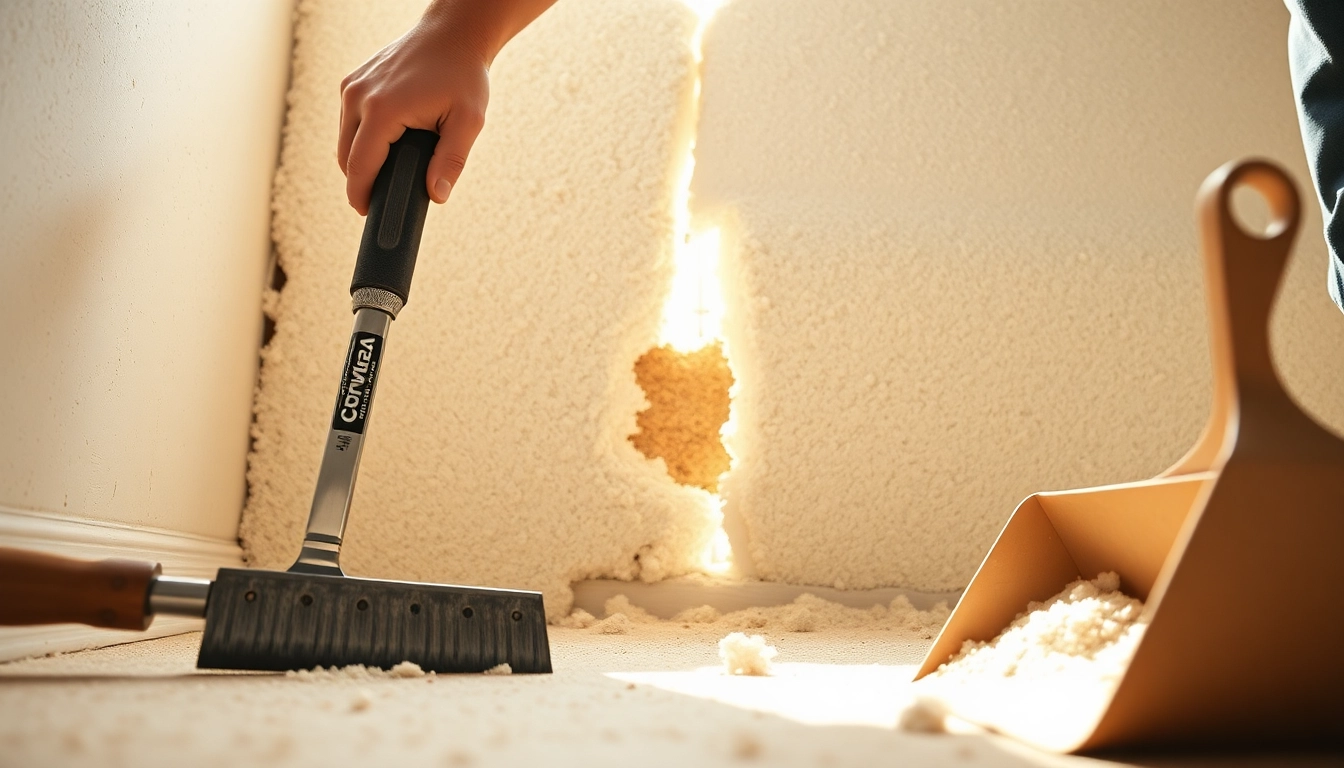
Introduction to Spray Foam Insulation Removal
Spray foam insulation is a popular choice among homeowners and builders due to its excellent energy efficiency and ability to fill gaps and cracks effectively. However, there can come a time when the decision to remove this material arises. Whether it’s due to outdated applications, damage, or toxic concerns, understanding the removal process is crucial. This article explores the topic of can spray foam insulation be removed, providing insights into methods, safety, costs, and more.
What is Spray Foam Insulation?
Spray foam insulation is a type of insulation that is sprayed onto surfaces in a liquid form, where it quickly expands and hardens into a solid layer. This product is known for its high R-value, which measures its thermal resistance, making it an effective solution for reducing heat transfer. Depending on the formulation, there are two primary types: open-cell and closed-cell foam. Open-cell foam is lighter, less dense, and typically used for interior applications. Conversely, closed-cell foam is denser, more rigid, and offers a higher R-value, ideal for areas exposed to moisture.
Signs You Need to Remove Spray Foam Insulation
While spray foam insulation offers numerous benefits, certain signs indicate it may need to be removed. They include:
- Mold Growth: If there’s mold or mildew present, it’s essential to remove the insulation to prevent health issues.
- Deterioration: Over time, spray foam can degrade due to moisture or prolonged exposure to the elements, losing its effectiveness.
- Allergies and Health Concerns: Some individuals may develop allergies or respiratory issues linked to spray foam chemicals.
- Renovations: Home renovations can sometimes necessitate insulation removal to make room for new materials or layouts.
Why Consider Removal?
There are several reasons to consider removing spray foam insulation. Outdated or damaged insulation can lead to inefficiencies in energy usage, increased utility bills, and compromised indoor air quality. Additionally, if your home is undergoing renovations or an energy audit reveals inadequate insulation performance, removal may be a prudent step. Addressing underlying issues affecting health and comfort also drives homeowners to consider insulation removal as necessary rather than optional.
Methods for Can Spray Foam Insulation Be Removed
Mechanical Removal Techniques
Mechanical removal involves using tools and equipment to physically remove the spray foam insulation. This method is often preferred when dealing with larger areas needing removal. Common mechanical techniques include:
- Using a Utility Knife: A utility knife can be effective for cutting into the foam, allowing it to be peeled away from surfaces.
- Scraping Tools: Specialized tools can scrape the foam off surfaces, especially when dealing with cured foam that adheres tenaciously.
- Abrasive Blasting: In some cases, sandblasting may be employed to remove foam from larger areas, though caution is advised to avoid damaging underlying surfaces.
Chemical Solutions for Removal
Chemical removal methods utilize solvents or specialized chemicals that break down the foam structure, making it easier to remove. Chemical removers can be particularly useful in confined spaces, reducing the effort needed for mechanical removal. Some options include:
- Solvent-Based Removers: These chemicals penetrate the foam, softening it for easier removal.
- Foam Removers: Some products are explicitly designed to dissolve spray foam insulation safely.
Professional Services vs. DIY Methods
When it comes to removing spray foam insulation, homeowners face the choice between DIY efforts and hiring professional services. DIY methods can save money but often come with risks, such as insufficient removal or potential safety hazards. Conversely, professional services offer guaranteed results, having the right tools and experience to do the job efficiently. Weighing costs, desired outcomes, and safety should guide your decision.
Safety Precautions During the Removal Process
Protective Gear and Equipment
Safety should be your top priority when engaging in spray foam insulation removal. Proper protective gear is vital to ensure safety during the process. Recommended equipment includes:
- Respirators: To prevent inhalation of harmful fumes and particles.
- Gloves: To protect hands from chemicals and sharp tools.
- Safety Goggles: To shield eyes from debris and irritants.
Ventilation and Air Quality Considerations
Good ventilation is essential during the removal process to mitigate the risks associated with fumes and airborne particles. Ensuring adequate airflow can help maintain a safe working environment. Open windows and doors, and consider using fans to circulate air. If using chemical products, particularly, follow manufacturer recommendations regarding ventilation to ensure your safety.
Dealing with Potential Hazards
During insulation removal, it’s crucial to be aware of potential hazards like irritating chemicals and sharp edges. Identifying these risks and having a plan to mitigate them enhances safety. Consider alerting others in the area about ongoing work, especially if chemicals are involved, to keep everyone informed and safe.
Cost and Time Considerations
Estimating Removal Costs
The cost of removing spray foam insulation can vary based on several factors, including the size of the area, the removal method chosen, and geographic location. Typically, homeowners might estimate costs in the range of $1 to $3 per square foot for mechanical removal and $2 to $5 for chemical removal. Larger projects may yield better pricing per square foot due to economies of scale.
Timeframes for Different Methods
Timeframes for spray foam removal depend on the chosen method. Mechanical removal can take a few hours to several days, depending on the area size and intricacy. Chemical removal might vary, as some solutions require dwell time before removal can begin, often extending the total time needed.
Budgeting for Professional Services
If opting for professional services, preparing a budget beforehand is essential. Getting multiple quotes from different contractors can help ascertain reasonable rates for your region. Most professionals provide estimates based on square footage, removal difficulties, and disposal costs, giving homeowners a clearer vision of project financials.
FAQs About Can Spray Foam Insulation Be Removed
How long does it take to remove spray foam insulation?
The removal time varies based on the method used. Mechanical methods may take hours to several days, while chemical methods may require longer due to the time needed for chemicals to work effectively.
Can I remove spray foam insulation myself?
Yes, you can remove spray foam insulation yourself using mechanical or chemical methods. However, be sure to use the proper safety gear and follow all safety precautions to protect yourself from hazards.
What should I expect after removal?
After removal, you can expect to see bare walls or surfaces. It’s essential to conduct a thorough cleaning and inspect for any underlying damage that might require attention before new insulation is installed.
Is it safe to live in a home during removal?
Living in a home during removal is not advisable due to potential exposure to fumes and particles. Consider vacating the premises for safety, especially if chemical agents are used.
What are the signs that spray foam insulation is problematic?
Signs of problematic spray foam insulation include mold growth, foul odors, poor indoor air quality, and visible deterioration. If you notice any of these, consider inspection and possible removal.